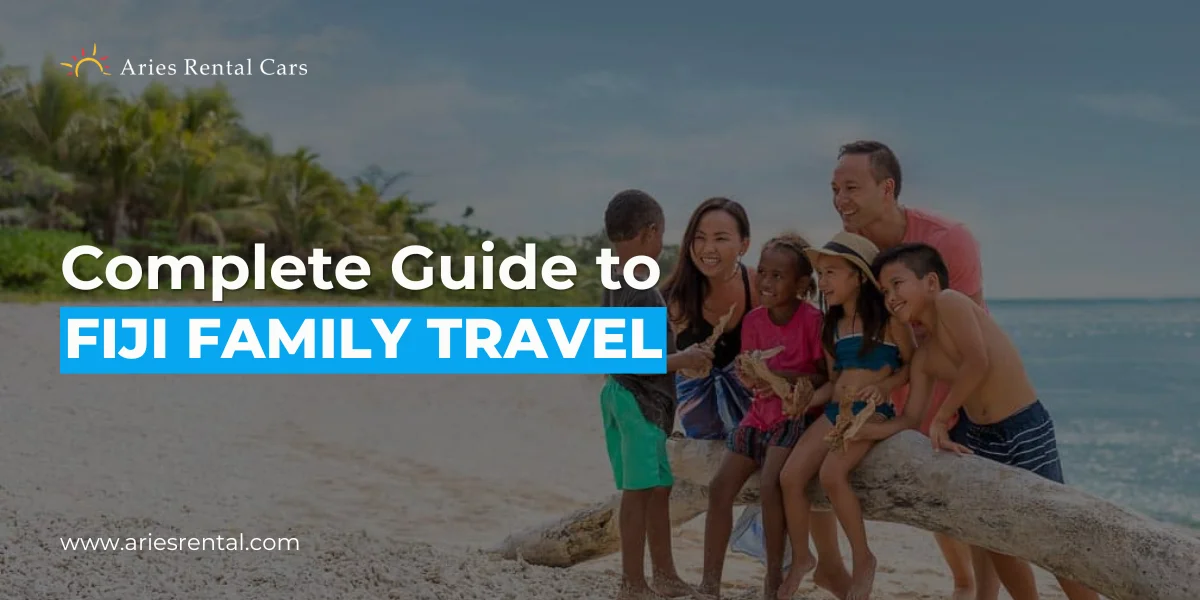
Planning a Fiji family vacation guide comes with a specific set of questions that a generic tropical getaway guide won’t answer. Which area suits young children versus teenagers? Is Denarau or the Coral Coast the better base? Do you need an all-inclusive family resort, or is that just a marketing label? And what actually keeps kids entertained for a week when the “just relax on the beach” plan wears thin by day two?
This guide works through Fiji for families step by step: choosing where to stay, what to look for in a family-friendly resort, the best areas for different age groups, practical health and safety preparation, and the activities that make a Fiji family trip memorable rather than just restful. Whether you’re weighing a luxury family resort in Fiji against a simpler all-inclusive package, or you’re still deciding between the mainland and the outer islands, this should give you a clear starting point.
Why Fiji Works So Well for Family Travel
Fiji has built its tourism identity substantially around families, and it shows in the small details most destinations skip. Kids’ clubs are the norm rather than the exception at mid-range and upscale resorts, staff are generally warm toward children, and the flight time from Australia, New Zealand, or the US West Coast is short enough that a week-long trip doesn’t get swallowed by jet lag recovery. If you are comparing Fiji against other South Pacific destinations for a family trip, this combination of accessible flights, calm lagoon swimming, and resort infrastructure built specifically around children is a large part of why it consistently comes up as a top pick for families.
Choosing Where to Stay: Denarau, Coral Coast, or the Islands
This is usually the first real decision point, and it shapes almost everything else about the trip.
Denarau Island
Denarau is Fiji’s main resort hub and sits close to Nadi International Airport, which matters if you’re travelling with young children and want to minimise transfer time after a long flight. It functions as the departure point for boats to the Mamanuca Islands, so if your plans include day trips or island hopping, Denarau is the practical base. The trade-off is that swimming conditions directly off Denarau are generally calm but not particularly scenic, with most families spending the bulk of their time in resort pools rather than the ocean itself, and the resorts here tend to sit at a higher price point than the Coral Coast.
The Coral Coast
The Coral Coast trades some of Denarau’s convenience for a more natural, beach-focused setting, generally at a lower price point. It’s also home to several family-oriented attractions within easy reach, including wildlife parks, river safaris, and cultural village visits, which matter if your itinerary includes more than beach and pool days. One practical detail worth knowing before you book: the Coral Coast is tidal, and swimming conditions can change significantly between high and low tide, with reef shoes recommended for both kids and adults given the coral and rock exposed at low tide. If your Fiji itinerary includes day trips along the coast, it’s worth reading through our guide to the Coral Coast’s top attractions to plan which stops fit your children’s ages and interests.
The Mamanuca and Yasawa Islands
For families wanting calmer, clearer water and a more classic tropical-island feel, the Mamanuca Islands offer a middle ground: a short boat or seaplane transfer from Denarau (often under 30 minutes to the closer islands), calm lagoon swimming that suits younger children, and a solid range of family resort options at different budget levels. The Yasawa Islands, further north, tend to offer a more boutique, back-to-nature experience with fewer large-scale kids’ programmes, which can suit families with older children or teens looking for a quieter, more adventure-focused stay over structured entertainment.
What to Look for in a Family-Friendly Fiji Resort
Not every resort marketed as “family-friendly” delivers the same experience, so it helps to know what actually separates a genuinely well-run family resort from one that simply allows children to stay.
A structured, age-appropriate kids’ club. Look for programmes split by age group, with activities that go beyond basic supervision, such as cultural workshops, snorkelling, arts and crafts, and nature walks. Several well-known Fiji resorts run particularly strong programmes: Plantation Island Resort’s Coconut Kids’ Club includes floating water parks and a dedicated jungle water park; Treasure Island Resort’s kids’ club incorporates turtle feeding and traditional Fijian weaving; and Jean-Michel Cousteau Resort’s Bula Kids’ Club combines a junior chef programme with an education-focused activity calendar.
Separate teen or “tween” facilities. Younger children and teenagers rarely want the same activities, so resorts that separate the two age groups tend to work better for multi-generational family trips. Malolo Island Resort’s Khail’s Club, aimed at tweens and teens, is a good example, with table tennis and a dedicated hangout space distinct from the younger children’s programme.
Family-sized accommodation. Look specifically at how a resort structures its family rooms or bures. Some, like Malolo Island Resort, offer dedicated family bures that sleep up to seven, while others rely on connecting rooms or interconnecting suites. This detail matters more than it seems once you’re actually booking, since a “family room” label can mean very different things between properties.
Meal plan clarity. Many Fiji resorts operate on meal plans that include breakfast as standard, with lunch and dinner optional extras, and not all include alcoholic beverages even under an “all-inclusive” label. Before booking anything described as an all-inclusive family resort in Fiji, get a clear breakdown in writing of exactly what’s covered, since assumptions here are one of the most common sources of budget blowouts on family trips.
Nanny or babysitting services for younger children. Kids’ clubs typically have minimum age requirements, often starting around 3 to 4 years old, so if you’re travelling with a baby or toddler, check whether the resort offers separate childminding or nanny services to cover that gap.
Activities That Work Well for Families
Beyond resort-based kids’ clubs, Fiji offers a wide range of family activities that suit different ages and energy levels.
- Snorkelling and reef exploration. Fiji’s coral reefs are among its biggest drawcards, and many resorts offer beginner-friendly snorkelling right off the beach or via short boat trips to calmer reef areas suited to children.
- Cultural village visits. A guided village visit gives kids a genuine introduction to Fijian culture and tends to be one of the more memorable parts of a family trip, particularly when paired with a kava ceremony or traditional lovo feast.
- River safaris and nature parks. Along the Coral Coast in particular, jet boat river safaris and wildlife parks are popular with families looking for a change of pace from beach and pool time.
- Waterfalls and swimming holes. Several of Fiji’s waterfalls are accessible enough for a family day trip and offer a refreshing break from the coast, though it’s worth checking accessibility and safety for younger children before you go; our guide to Fiji’s waterfalls breaks down which ones suit family visits best.
- Markets and local food. Wandering a local market is an easy, low-cost family activity that also introduces kids to Fijian produce and street food; if you’re curious what to look for, our guide to Fiji’s markets covers the best ones to visit.
- Beach time, simply. It sounds obvious, but Fiji’s calmer lagoon beaches are genuinely well suited to unstructured beach play for younger children, and it’s worth building unscheduled downtime into the itinerary rather than packing every day with activities.
If you’re also curious what a typical Fiji meal looks like before you go, especially useful if you have picky younger eaters, our rundown of Fijian cuisine covers the dishes and drinks most visitors encounter.
When to Visit Fiji With Kids
Fiji’s dry season, generally running from May to October, tends to suit family travel best, with lower humidity, less rainfall, and generally calmer conditions for young children who may be more sensitive to heat. The wetter season from November to April brings a higher chance of afternoon showers and higher humidity, along with increased mosquito activity, which is a relevant factor for family health planning given Fiji’s mosquito-borne disease risk. For a full seasonal breakdown, including school holiday crowd patterns worth planning around, see our guide to the best time to visit Fiji.
Ready for your next trip?
Choose a reliable rental car and make your travel around Fiji simple, flexible, and stress-free.
Health and Safety Preparation for Family Travel
A little preparation before you leave makes a real difference to how smoothly a Fiji family trip goes, particularly with young children.
Vaccinations. The CDC’s travel health guidance for Fiji recommends travellers be up to date on routine vaccinations, and depending on your itinerary and activities, additional vaccines such as typhoid and hepatitis A are commonly advised. Speak with a healthcare provider or travel clinic several weeks before departure, since some vaccines require lead time to take full effect, and requirements can differ depending on your child’s age and health history.
Mosquito-borne illness. Dengue fever is the primary mosquito-borne disease of concern in Fiji, with risk highest during the wetter season. Packing insect repellent, dressing children in lightweight long sleeves during peak mosquito activity times (early morning and late afternoon), and checking your resort room for screens or mosquito nets are all sensible precautions.
Food and water. Stick to bottled or resort-filtered water where possible, particularly for younger children, and be cautious with street food if anyone in the family has a sensitive stomach, especially early in the trip.
Sun protection. Fiji’s tropical sun is stronger than many visitors expect, particularly for children. Broad-spectrum sunscreen, hats, and rash guards for swimming all help prevent the kind of sunburn that can derail the first few days of a trip.
Reef safety. If your itinerary includes any tidal beaches, particularly along the Coral Coast, reef shoes are worth packing for the whole family. Exposed coral and rock at low tide can cause cuts that are easily avoided with the right footwear.
Sample Fiji Family Vacation Structure
For families weighing up how to divide time between the mainland and the islands, a common and workable approach looks like this:
- First few nights on Viti Levu (Denarau or the Coral Coast), to ease into the trip close to the airport and take advantage of larger resort facilities and kids’ club programmes.
- A few nights in the Mamanuca Islands, for calmer swimming, snorkelling, and a more classic island experience, particularly if younger children are part of the group.
- A day or two built around a specific interest, whether that’s a river safari, a cultural village visit, or simply unstructured beach time, rather than scheduling every day tightly.
This kind of split gives families the resort infrastructure and convenience of the mainland alongside the scenery and pace of the outer islands, without over-committing to a single location for the whole trip.
Conclusion
A successful Fiji family vacation comes down to matching the right area and resort style to your children’s ages and your family’s pace, whether that means a resort with a structured kids’ club program on Denarau, a calmer island stay in the Mamanucas, or a mix of both. Beyond picking where to stay, the details that matter most are the ones easy to overlook: meal plan inclusions, kids’ club age ranges, seasonal timing, and basic health preparation. With those sorted ahead of time, Fiji delivers on its reputation as one of the more genuinely family-friendly destinations in the South Pacific.
Frequently Asked Questions
Yes, if your home licence is written in English. If it is not, you will need an IDP alongside your original licence to satisfy most rental companies and local authorities.
Visitors are generally permitted to drive on a valid foreign licence for the length of their approved stay, though it is worth confirming the current position with the Land Transport Authority or your rental provider if you are planning to stay longer than a typical holiday.
Most rental companies set a minimum age of 21, with some requiring drivers to be 25 or older for larger vehicles. Requirements vary between operators, so it is worth checking directly when booking.
Fiji does not have a separate licence category for automatic versus manual vehicles for tourists. Your existing full licence covers both, though it is worth confirming the transmission type of your specific rental vehicle when booking.
This depends on the individual rental company’s policy. Where possible, bring the original physical licence card in addition to any digital version to avoid issues at pickup.
Fiji drives on the left-hand side of the road, which is an important adjustment for visitors from right-hand-traffic countries.