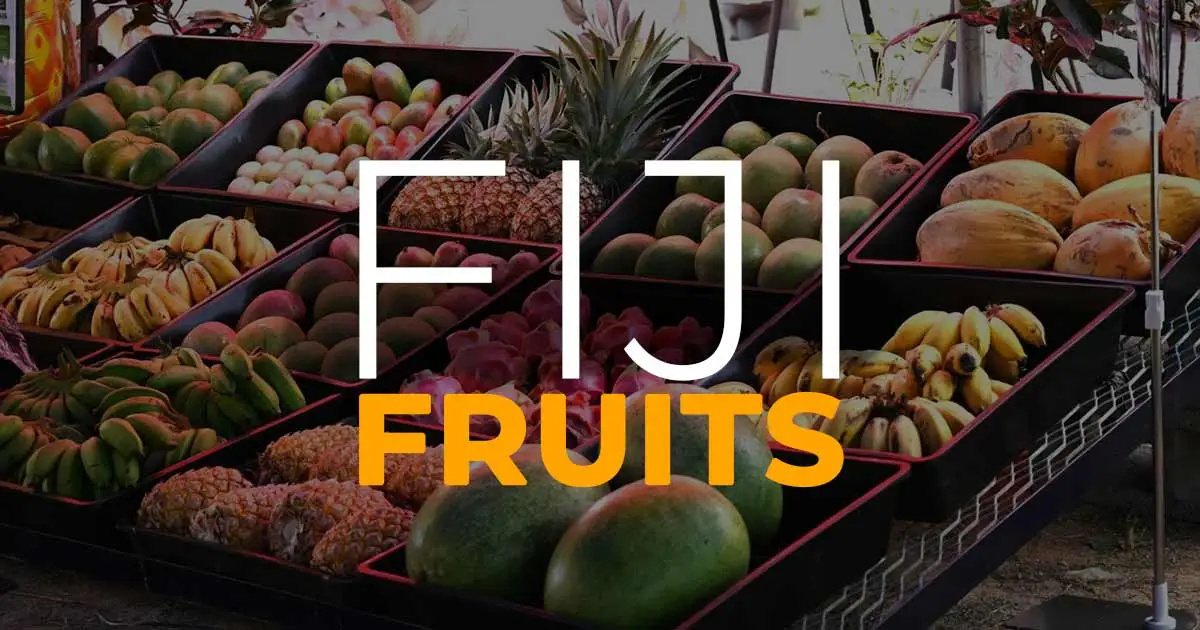
Fiji’s beaches get all the fame, but the real hidden treasure is its fruit, bold, fragrant, and full of island character. Walk into any Fijian market and you’ll see piles of bright colours, rich smells drifting through the air, and fruits you’ve never heard of but instantly want to taste.
Because of Fiji’s warm, tropical climate, the fruit grows sweeter, softer, and more aromatic than what most travellers are used to. Many of these fruits are a part of daily island life, local traditions, and comfort food. Here is a simple guide to 10 Fiji fruits you must try, what they taste like and how locals enjoy them.
And honestly, the easiest way to explore those village markets and roadside fruit stalls is to have your own car, a simple rental makes getting around smoother and far more flexible.
10 Fiji Fruits You Must Try
Pawpaw
The pawpaw in Fiji is softer, sweeter and much more fragrant than the papaya that most people are accustomed to. It has a buttery-textured bright orange flesh with a mild tropical sweetness that makes it a breakfast favourite in the islands. The locals tend to consume it fresh with a squeeze of lime, add it to morning smoothies, or topped with a dollop of coconut cream as a healthy, quick, and nutritious breakfast. Since it thrives well in the warm Fiji climate, it is harvested when it is fully ripened, hence it is tastier and more lively. If you want a light fruit that captures Fiji’s sunny, slow-living vibe, pawpaw is the one.
Soursop (Guyabano)
One of the refreshing fruits that you will ever encounter in Fiji is the Soursop. It has white, custardy flesh, and a taste that is a blend of pineapple, citrus and strawberry with a creamy taste. The humidity of Fiji adds a better aroma to the fruit and when you cut it the fruit feels almost naturally chilled. People love turning it into juice or smoothies on hot afternoons, and many homes simply scoop the pulp out with a spoon. It’s hydrating, soothing, and ideal for cooling down after a few hours on the beach or exploring markets.
Breadfruit (Uto)
Breadfruit is not consumed uncooked, it is cooked into food and that is where its beauty prevails. The taste is a combination of potato bread and light tropical nuttiness. It is a classic island dish, which is roasted over fire, boiled, or fried into chips, or even simmered in coconut milk, to make a delicious, warming meal. For Fijian families, breadfruit is more than food; it’s part of cultural memory and everyday living, especially in rural areas. Trying it gives you a taste of home-style island cooking that many tourists miss.
Vudi (Fijian Plantain)
Vudi is the local plantain variety, firmer and less sweet than a banana, but incredibly comforting when cooked. The Islanders boil it to make breakfast, grill it until slightly caramelised or cook it in coconut cream to make a warm and soft dessert-like dish. It has a hearty texture and a mellow sweetness that works beautifully with coconut-based dishes. Vudi is one of the fruits that feels deeply connected to Fiji’s daily rhythms; farmers, fishermen, and families often rely on it as a filling, reliable source of energy.
Starfruit (Karambola)
Fiji starfruit is crunchy, juicy, and refreshing and has a clear sweet and tangy balance. Cut it open and you get those perfect yellow stars that end up in many resort fruit platters, but the flavour is just as impressive as the appearance. Local people consume it fresh, chilled or served as a flavorful addition in salads and beverages. The Fiji-grown fruit is more plump due to the climate; this makes each slice have a nice crunch with a touch of fresh tropical flavour. It is among the simplest fruits to fall in love with on the islands.
Pineapple
The pineapple in Fiji is a totally different affair compared to the oversourced ones most people are used to. It is golden, low acid and naturally sweet to an extent that you can consume slice after slice without your tongue being burnt. The flavour is rich and sun-soaked, almost syrupy, but still refreshing in the island heat. You will see it everywhere, in the market, on the roadside stalls, and on the breakfast tables in the resorts, often cut fresh right in front of you. Because it’s harvested ripe, not early, the depth of sweetness is unmistakable. If there’s one fruit that captures Fiji’s tropical energy, it’s this one.
Mango
Fiji’s mangoes are fragrant, juicy, and wonderfully messy, the best kind. They come in several local varieties, from small, fibre-free types to larger, intensely sweet ones that practically melt in your hands. When in season, there is an overproduction of mango trees in the villages, and sellers can offer huge bags at a fraction of the cost. Depending on the variety, the flavour is between honey-sweet and a soft citrus tang. Whether you eat it chilled, blend it into juice, or try mango with chilli and lime (a local favourite in many Pacific homes), Fijian mango delivers pure tropical joy.
Passionfruit
Fiji’s passionfruit is intensely aromatic, with a sweet–tart flavour that feels both bold and delicate at the same time. Crack one open and you’ll find bright yellow pulp filled with crunchy seeds, perfect for spooning out directly or mixing into yoghurt, smoothies, and desserts. The scent alone tells you it’s ripe. Many Fijians also make homemade passionfruit syrup for drinks, especially during gatherings. If you love fruits that pack a lot of character into a small package, this is one you shouldn’t skip.
And if you’re into island drinks in general, you’ll love exploring the 15 Must-Try Drinks in Fiji, many of which use these same fruits.
Kavika (Fijian Mountain Apple)
Kavika is one of Fiji’s most refreshing fruits, crisp, light, and subtly sweet with a faint floral aroma. Its shiny red skin and soft, airy flesh make it look almost like a tropical pear, but the taste is milder and far more hydrating. Fijians often eat it chilled straight from the fridge or slice it for salads when they want something refreshing but not overly sugary. During the fruiting season, trees around villages turn bright red, and families pick them fresh every morning. Kavika is the kind of fruit that feels designed for humid weather: clean, cooling, and surprisingly addictive.
Guava
Fiji’s guavas are small, pink or white inside, and incredibly fragrant, the kind of fruit you can smell even before you see it. The flavour ranges from sweet to slightly tangy, depending on how ripe it is, and the crunchy seeds add a satisfying bite. Locals often eat them with chilli salt, blend them into juices, or simmer them into homemade jams. Because guava trees grow easily across the islands, children often snack on them right from the branches after school. It’s a fruit that feels casual and everyday, yet its freshness and strong aroma make it unforgettable for visitors.
Bottom Line
Fiji’s fruit scene is one of the island’s most underrated joys. Beyond beaches and blue lagoons, there’s a world of flavour waiting in its markets, villages, and roadside stalls, sweeter, juicier, and more authentic than anything on a resort buffet. If you truly want to taste Fiji, start with these fruits. They’re not just snacks; they’re pieces of culture, tradition, and everyday island life.